
Point of view
The interface is rarely the real problem.
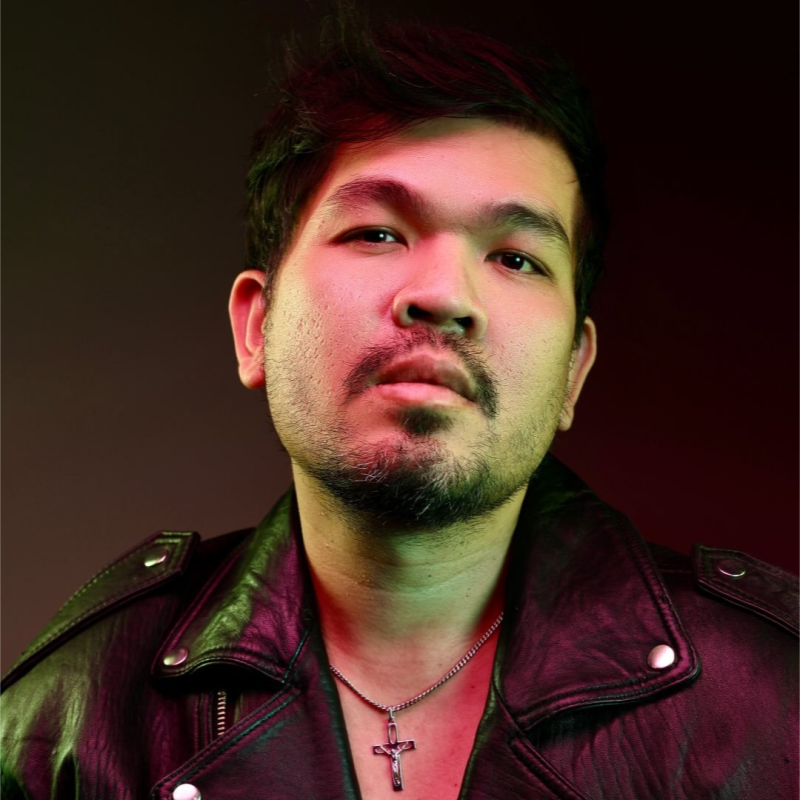
I’m Oliver Nguyen, a senior product designer. My work starts beneath the requested interface: finding the actual problem, making the decision layer visible, and aligning stakeholders through shared evidence rather than opinion.
How I work
- 01Find the real problem
Beneath the requested interface there is usually a decision nobody has framed yet.
- 02Make the decision layer visible
Explicit calls, ruled-out alternatives, and owned tradeoffs — in writing.
- 03Align through evidence
Stakeholders converge faster around shared research than around preferences.
- 04Treat constraints as inputs
Engineering limits are product information, not obstacles to design around.
- 05Use AI to widen, not decide
AI expands exploration and speeds implementation. Judgment stays human.
Leadership and collaboration
Calm ownership, honest evidence boundaries.
I help teams with different roadmaps land on one call — APM and RUM shared a foundation because the tension was made visible, not smoothed over.
In critique pods and project partnerships, I help designers work through ambiguity by asking sharper questions, separating user needs from feature requests, and turning scattered evidence into a direction they can confidently explore and present.
On a Synthetics redesign, I synthesized customer feedback, reviewed 10 competitors, and helped a design partner structure the review as theme → requirement → design exploration.
Purchase intent is not revenue. A working prototype is not adoption. I label the difference.
AI and design-system practice
The design system is the contract between human decisions and AI execution. I keep separate design and implementation trackers, and AI never reviews only its own output.
Structuring notes into pain points, jobs, and priorities I then own.
Several visual directions and click-through prototypes before committing.
AI builds under guardrails; separate reviewer passes challenge scope and accessibility.
Design and implementation trackers separate hypotheses from observed evidence.
Experience
Lead and senior product-design work across APM, RUM, and Synthetics surfaces — investigation models, importer workflows, and a portfolio visualization system.
Product and design lead on an AI-assisted salon operations tool, from research through a working bilingual prototype and a deliberate stop decision.
Role-by-role detail lives on LinkedIn.
Outside work I observe how small businesses actually run — the paper calendars, the turn queues, the trust systems. That habit of watching real operations is where most of my product judgment comes from.